
Acupuncture and the Vagus Nerve

Supporting your Nervous System Naturally
If there is one structure in your body that sits at the crossroads of physical health, emotional resilience, and mental clarity, it is the vagus nerve. Spanning from your brainstem all the way to your abdomen, it is the longest nerve in the autonomic nervous system, and arguably the most important. Its tone, its responsiveness, its ability to shift you between states of safety and threat, shapes nearly every dimension of how you feel, function, and heal. In recent years, polyvagal theory has given modern science the language to explain what this nerve does. And for thousands of years, East Asian medicine has been working with it.
This blog explores why vagal health is foundational to optimal wellbeing, how polyvagal theory maps the nervous system’s states, and how Acupuncture, alongside simple daily practices, can meaningfully strengthen your vagal tone.
Understanding the Vagus Nerve
and Polyvagal Theory
The vagus nerve is not simply one nerve among many, it is the primary channel through which your brain and body stay in constant communication. It regulates your heart rate, digestion, immune response, respiratory rhythm, and emotional state. When it is functioning well, you feel calm, grounded, and capable. When it is dysregulated, the effects ripple across your entire system: chronic stress, poor digestion, disrupted sleep, anxiety, fatigue, and inflammation can all be signs of a vagus nerve that is struggling to do its job.
Neuroscientist Stephen Porges captured this in his polyvagal theory, which explains how the autonomic nervous system continuously scans for signals of safety or threat, a process called neuroception. Depending on what it detects, the nervous system moves through three distinct states:
Ventral vagal (the optimal state): You feel safe, socially connected, emotionally regulated, and physically at ease. This is the state in which your body can rest, repair, digest, and heal.
Sympathetic activation (fight-or-flight): The body mobilizes for danger, heart rate rises, digestion halts, stress hormones flood the system. Useful in genuine emergencies, but deeply harmful when chronic.
Dorsal vagal shutdown (freeze/collapse): The nervous system shuts down under overwhelming stress, leading to fatigue, dissociation, numbness, and disconnection from life.
The vagus nerve is the central thread running through all three of these states. Its “tone”, a measure of how flexibly and efficiently it responds, is one of the strongest predictors of long-term health. High vagal tone is associated with better cardiovascular health, stronger immune function, lower inflammation, improved digestion, greater emotional resilience, and faster recovery from stress. Low vagal tone, on the other hand, is linked to anxiety, depression, chronic pain, digestive disorders, and heart disease. This is why supporting the vagus nerve is not a wellness trend, it is one of the most evidence-backed practices you can do for your overall health.

How Acupuncture Directly Supports Vagal Health
Acupuncture is one of the most effective tools available for directly improving vagal tone and shifting the nervous system out of chronic stress states. Here is how the research and traditional practice converge:
1. Releasing the Armor of Fight-or-Flight
Research consistently shows that Acupuncture activates the parasympathetic nervous system, the branch governed by the vagus nerve and responsible for rest, digestion, immune repair, and cellular restoration. This is not a subtle effect. Many people feel the shift happen in real time during treatment:
A profound, spreading relaxation
Breath slows, deepens, and softens.
A sense of emotional relief as if something that was held inside has been released.
This is the direct experience of the vagus nerve engaging and of the nervous system moving into the ventral vagal state where genuine, lasting healing becomes possible.
2. Softening the Echoes of Stress and Trauma
When the vagus nerve has low tone, the nervous system gets stuck in loops of sympathetic activation or dorsal shutdown. The body loses its ability to self-regulate. Chronic stress becomes the default setting rather than a temporary response. Acupuncture helps break this pattern by actively restoring vagal tone:
Quieting the flood of cortisol that keeps us braced for danger
Improving heart rate variability (HRV) which is the gold-standard clinical measure of vagal tone and nervous system flexibility
Making it easier for emotions to be processed rather than suppressed or stuck
In East Asian medicine, this is referred to as regulating Qi and calming the Shen (the mind within the heart). The concepts are described differently, but share similar goals.
3. Rebuilding Interoception: The Body’s Internal Feedback System
A poorly functioning vagus nerve often goes hand in hand with reduced interoception, the ability to sense and interpret signals from within the body. When interoception is impaired, people lose touch with early warning signs of stress, hunger, pain, or emotional overwhelm, making it harder to self-regulate before reaching a crisis point. Acupuncture naturally restores this inner awareness by drawing attention inward and reactivating the body’s subtle feedback channels. Polyvagal theory identifies this restored interoceptive capacity as foundational to nervous system regulation. You cannot regulate what you cannot feel.
Key Acupuncture Points That Improve Vagal Tone
While every treatment is tailored to the individual, certain Acupuncture points are well-established for their ability to activate the parasympathetic nervous system, reduce cortisol, and improve vagal tone:

Yintang (between the eyebrows): Strongly calms the mind, reduces anxiety, and has been shown to lower cortisol and heart rate, directly supporting parasympathetic activation.

Shenmen (ear or wrist): Regulates the autonomic nervous system, reduces emotional reactivity, and is commonly used in Acupuncture protocols for trauma and anxiety.
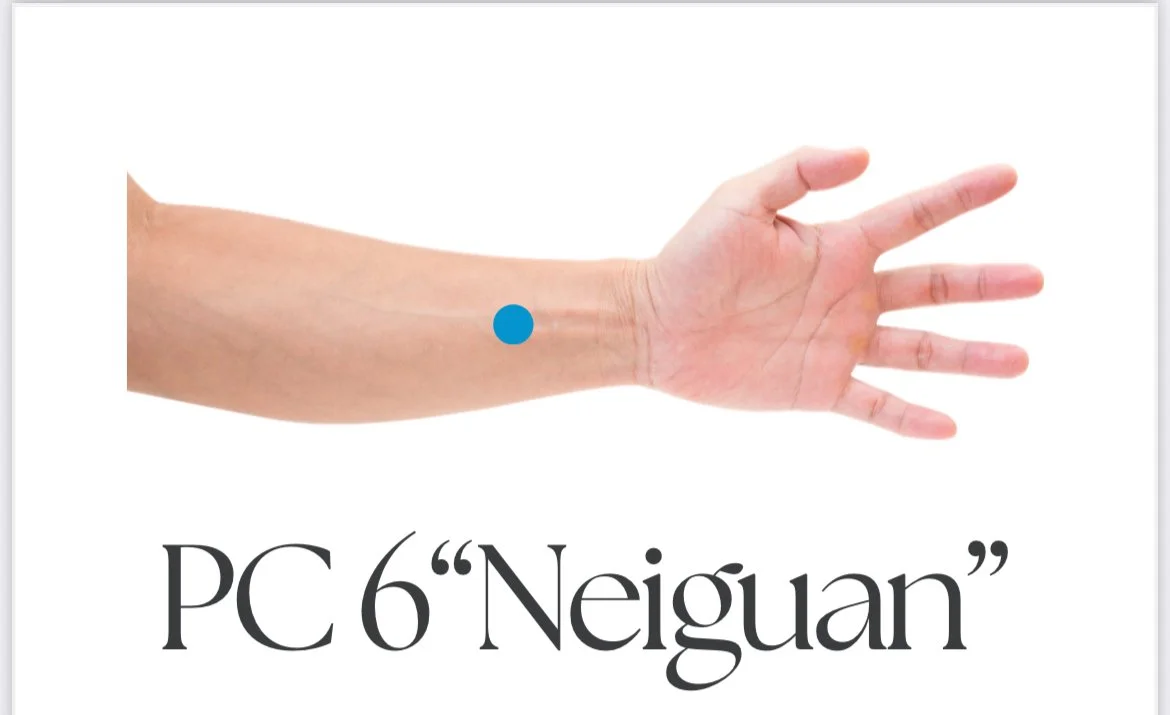
Pericardium 6 / Neiguan (inner forearm): Regulates the heart and chest, eases anxiety and nausea, and supports vagal influence over cardiovascular and digestive function.
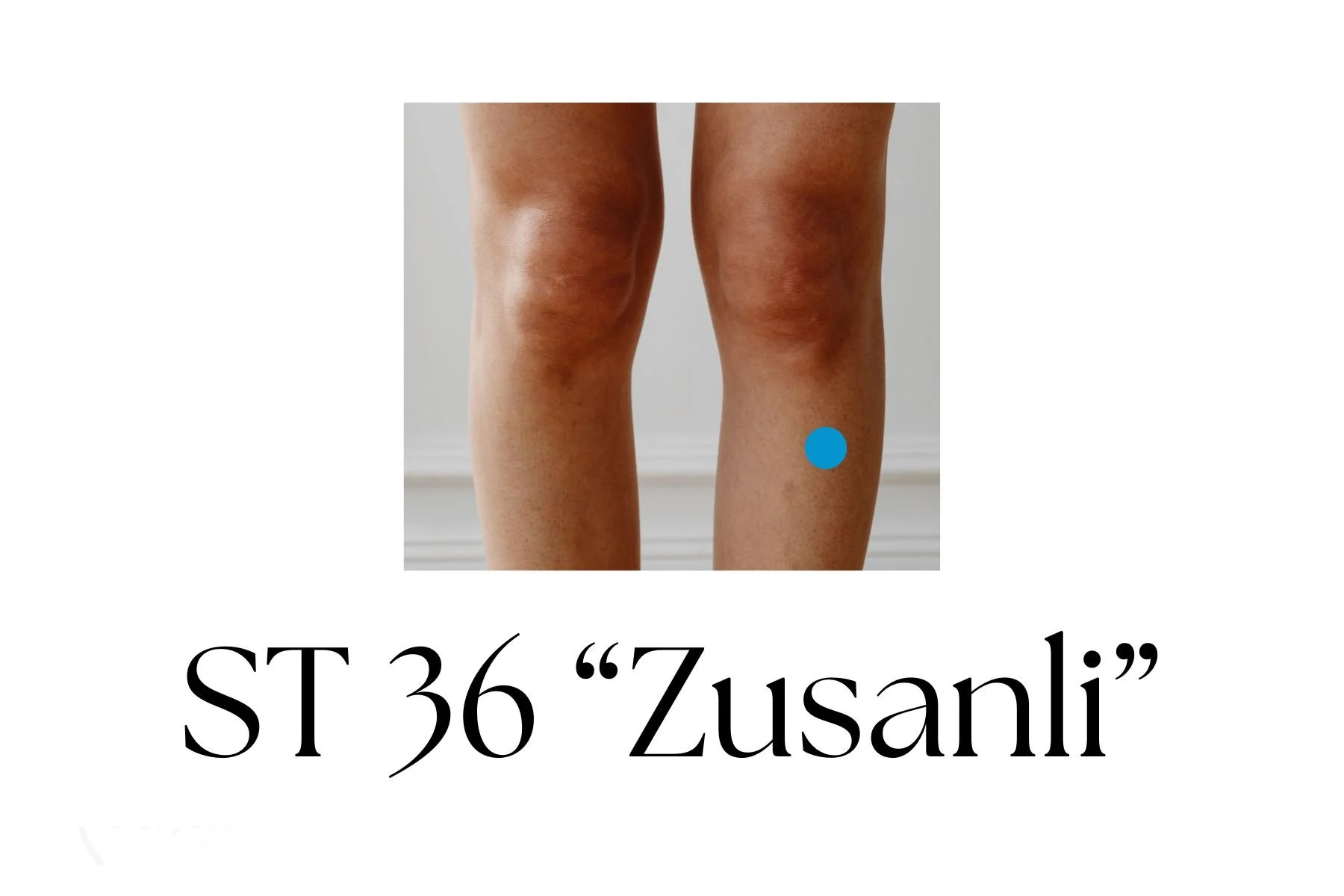
Stomach 36 / Zusanli (below the knee): One of the most researched Acupuncture points, shown to stimulate vagal activity, reduce inflammation, strengthen immune function, and build overall systemic resilience.
These points do not act on the vagus nerve in a simple mechanical way; rather, they speak to the broader web of relationships it governs, gently shifting the whole system toward coherence and calm. While many people find these points helpful, each person's needs and constitution are unique. Consulting with a qualified Acupuncturist allows for personalized point selection and tailored care that honors your individual journey toward balance and healing.

Daily Practices to Strengthen Your Vagal Tone
Acupuncture creates the conditions for improved vagal tone, but the nervous system responds best to consistent, daily input. Think of these practices as ongoing training for your vagus nerve — small, cumulative signals that tell your nervous system it is safe to stay regulated. Start with one or two and build from there.
1. The Breath as Medicine
Come back to this whenever the world feels like too much:
Inhale for 4 seconds
Exhale for 6–8 seconds
The extended exhale is one of the fastest, most direct ways to activate the vagus nerve. Longer exhales stimulate the parasympathetic branch, lower heart rate, and begin shifting the nervous system toward the ventral vagal state within seconds.
2. The Healing Power of Your Own Voice
The vagus nerve passes directly through the larynx and connects to the muscles of the throat and vocal cords. This means that vibration created by humming, chanting, or singing physically stimulates the vagus nerve — activating its parasympathetic function and measurably improving vagal tone. Even a few minutes of gentle humming can shift the nervous system out of a stress state.
3. The Awakening Touch of Cold Water
Cool water on the face activates the diving reflex, which directly stimulates the vagus nerve and triggers a rapid parasympathetic response — slowing the heart rate and calming the nervous system. It is one of the quickest ways to interrupt a stress or anxiety response.
4. Rhythmic Mindful Movement
Let the body move the way water moves—unhurried, fluid, purposeful:
Walking
Tai chi
Qi Gong
Yoga
Slow, rhythmic movement activates the vagus nerve through multiple pathways: regulating breath, reducing cortisol, improving heart rate variability, and reinforcing the body’s sense of safety and groundedness.
5. Safe Social Connection
The ventral vagal system evolved specifically to support social connection. Eye contact, laughter, and attuned conversation are not just emotionally nourishing, they are direct inputs to the vagus nerve. Safe social engagement is one of the most powerful regulators of vagal tone, and research shows that chronic loneliness and social disconnection are among the strongest predictors of low vagal tone and poor health outcomes.
6. Your Own Hands as Healers: Acupressure at Home
Your hands carry their own intelligence. Place them with gentle, comfortable pressure on these familiar gateways. If you are ever unsure about where or how to press, or if you have any medical conditions, consult a qualified practitioner to ensure safe self-care.
The inner wrist (Pericardium 6),
the space between your eyebrows (Yintang)
Hold each point and breathe slowly and deeply. Let your breath and touch support each other.
Why Vagal Health Is the
Foundation of Lasting Wellness
The vagus nerve is not a peripheral concern in health — it is central to it. Its tone influences your cardiovascular system, your gut, your immune response, your mental health, your sleep, and your capacity to recover from illness and stress. When the vagus nerve is well-supported, the entire system functions better. When it is chronically dysregulated, nearly every system in the body is affected.
Acupuncture is one of the most effective and well-researched tools for improving vagal tone. It works by calming the nervous system, and restoring the body's internal landscape. When combined with simple daily habits, Acupuncture becomes a practical, whole-body approach to building lasting nervous system resilience.
If you are living with chronic stress, anxiety, fatigue, digestive issues, or a persistent sense of being overwhelmed, your vagus nerve may be at the root of it. Supporting it through Acupuncture is not a luxury. It is one of the most important investments you can make in your health.
Start with one daily practice this week. If you are ready to go deeper, book an Acupuncture session. Your vagus nerve responds to every signal of safety you give it — and those signals add up. The more consistently you support it, the greater your capacity for health, resilience, and ease.
* The information presented on this blog is intended for informational and educational purposes only. It should not be considered a substitute for professional medical advice, diagnosis, or treatment. Always consult your physician or another qualified healthcare provider if you have any questions regarding a medical condition or treatment.